
There are Greek islands known for nightlife. Others are famous for luxury resorts or dramatic caldera views. Ithaca is different.
Small, mountainous, and deeply atmospheric, Ithaca doesn’t try to impress you. It draws you in quietly — through myth, landscape, and a sense of timelessness that feels almost sacred.


Best known as the legendary home of Odysseus, the hero of Homer’s Odyssey, Ithaca is more than a destination. It’s a symbol of return, belonging, and inner journey. And when you walk its winding paths or swim in its crystalline coves, you begin to understand why this island has captivated imaginations for over 3,000 years.
The Island of Odysseus
According to mythology, Ithaca was the homeland of King Odysseus, who spent ten years fighting in the Trojan War and another ten years trying to return home.
His journey was filled with cyclopes, sirens, storms, and temptation — yet what he longed for most was this small, rugged island in the Ionian Sea.
Today, visitors can explore sites linked to the legend:
-
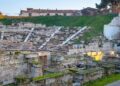
School of Homer (Agios Athanasios archaeological site) – believed by some to be Odysseus’ palace
-
Cave of the Nymphs (Marmarospilia) – where Odysseus supposedly hid the treasures given to him by the Phaeacians
-
Dexa Beach – said to be where he first set foot upon returning
Whether historically proven or not, the myth feels alive here. Ithaca isn’t just associated with Odysseus — it embodies him.
The Landscape: Wild, Vertical, and Deep Blue
Unlike flatter islands of the Cyclades, Ithaca is mountainous and dramatic. Pine-covered slopes plunge into impossibly blue waters, creating secluded coves and natural harbors.
The island is divided into two parts connected by a narrow strip of land. The capital, Vathy, sits inside one of the most beautiful natural harbors in Greece — calm, circular, and postcard-perfect.
What Makes Ithaca’s Landscape Special?
-
Dense green hills instead of dry terrain
-
Hidden pebble beaches with transparent waters
-
Olive groves and cypress trees
ADVERTISEMENT -
Roads that curve with panoramic Ionian views
The light here feels softer than in the Aegean. The Ionian Sea is deeper blue, and the atmosphere more reflective.

Beaches: Quiet and Unspoiled
Ithaca’s beaches are not sandy party spots. They are peaceful, crystal-clear, and often reached by scenic drives or short walks.
Must-Visit Beaches:
Gidaki Beach
Accessible by boat or hike, this is often considered the island’s most beautiful beach. Turquoise water and white pebbles create a surreal setting.
Dexa Beach
Close to Vathy and mythologically significant, ideal for calm swimming.
Filiatro Beach
One of the easiest to reach, with organized facilities and stunning water clarity.
Agios Ioannis Beach
Remote and wild, perfect for those seeking solitude.
There are no mega beach clubs here. The appeal lies in simplicity and purity.
Villages & Slow Living
Ithaca encourages you to slow down.
Vathy
The island’s capital is elegant and relaxed. Neoclassical houses with red roofs reflect in the harbor waters. Even in high summer, evenings feel gentle rather than chaotic.
Kioni
A picturesque fishing village on the northern coast, with colorful boats and waterfront tavernas. It’s small, charming, and quietly romantic.
Stavros
A traditional village near important archaeological sites, offering panoramic views and authentic local life.
Here, dinner starts around 9:30 PM, conversations stretch past midnight, and nobody seems to be in a hurry.

A Different Kind of Greek Island
If you come to Ithaca expecting Mykonos, you’ll be disappointed.
If you come searching for:
-
Authenticity
-
Silence
-
Mythology
-
Nature
-
Reflection
You’ll find something rare.
Ithaca attracts travelers who value depth over spectacle. Writers, sailors, hikers, couples, and independent explorers often fall in love with it.
Hiking in the Footsteps of Legends
Because of its mountainous terrain, Ithaca is ideal for hiking.
Ancient footpaths connect villages, beaches, and ruins. Walking here feels symbolic — like retracing Odysseus’ journey step by step.
Popular trails include:
-
Vathy to Kioni coastal route
-
Anogi to Mount Neritos
-
Paths around the northern peninsula for sweeping Ionian views
Spring and early autumn are especially beautiful for hiking.
When to Visit Ithaca
The best months are:
-
May–June – Green hills, fewer crowds, ideal hiking weather
-
September – Warm sea, golden light, relaxed atmosphere
July and August are livelier but still far calmer than most famous Greek islands.
Why Ithaca Still Matters Today
The power of Ithaca isn’t only in its beaches or villages. It’s in what it represents.
In C.P. Cavafy’s famous poem Ithaka, the island symbolizes the journey itself — the lessons, growth, and experiences gained along the way.
And when you stand above Vathy at sunset, watching sailboats drift into the harbor, you understand the message:
It’s not about conquering the island.
It’s about arriving — slowly.
Final Thoughts: Finding Your Own Ithaca
Ithaca Island is not loud. It doesn’t demand attention. It invites contemplation.
Here, mythology blends with reality, mountains meet the Ionian Sea, and daily life moves at a pace that feels almost forgotten in modern travel.
Whether you come for Odysseus, the beaches, or simply the promise of quiet beauty, Ithaca has a way of staying with you long after you leave.
Perhaps that’s its greatest magic.